



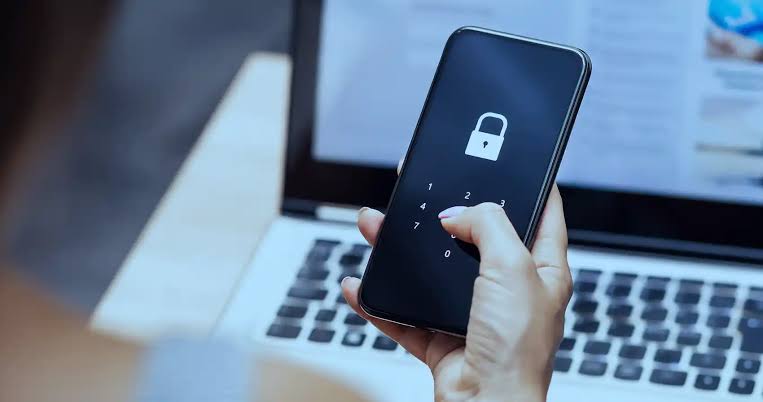
Los sistemas de acceso inteligentes permiten gestionar entradas y salidas mediante smartphones, tarjetas digitales, biometría, reconocimiento de matrículas, cámaras y...
Calidad de servicio y profesionalismo
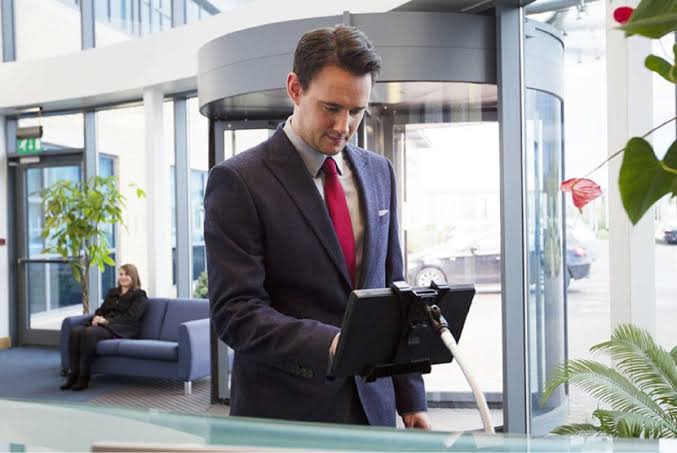

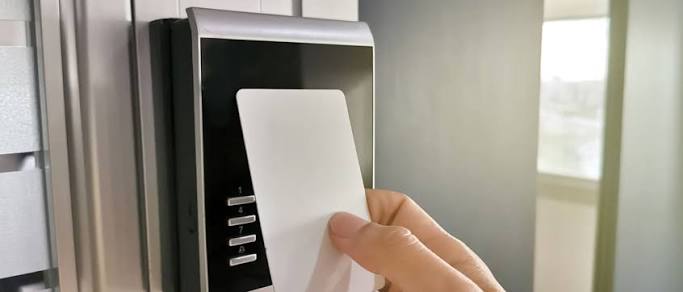



Los sistemas de acceso inteligentes permiten gestionar entradas y salidas mediante smartphones, tarjetas digitales, biometría, reconocimiento de matrículas, cámaras y...
El control digital de visitantes es un sistema que permite gestionar de forma electrónica la entrada de personas que no...
La Importancia De Proteger Los Accesos Digitales Las cerraduras inteligentes han revolucionado la forma de gestionar la seguridad de viviendas,...

La Automatización Como Nueva Forma De Seguridad Residencial La seguridad del hogar ha evolucionado gracias a la incorporación de la...
Una Solución Inteligente Para Controlar Entradas Y Salidas El acceso programado por horarios es una tecnología utilizada en sistemas modernos...
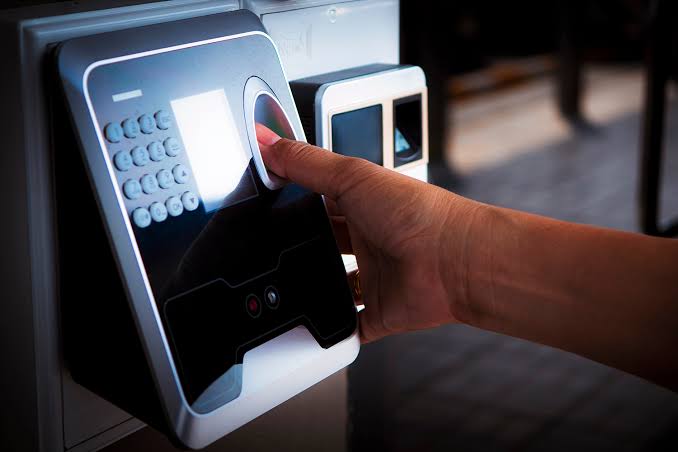
La Importancia De Mantener Los Sistemas De Acceso En Buen Estado Los sistemas electrónicos de acceso han mejorado la seguridad...

La evolución de los hogares inteligentes ha permitido que diferentes dispositivos tecnológicos trabajen de manera conjunta para mejorar la comodidad,...

La Evolución De La Seguridad En Accesos Exteriores Las puertas exteriores representan uno de los principales puntos de protección de...

La seguridad moderna ha evolucionado enormemente gracias a la conectividad y la automatización digital. Actualmente, las viviendas, oficinas y edificios...

La seguridad avanzada no solo se centra en evitar intrusiones, sino también en garantizar que cada componente funcione en condiciones...